
Toon In: An Interview with Fleischer Cartoons
How Jane Fleischer Reid and Mauricio Alvarado are restoring classic Max Fleischer cartoons for an essential Blu-ray release

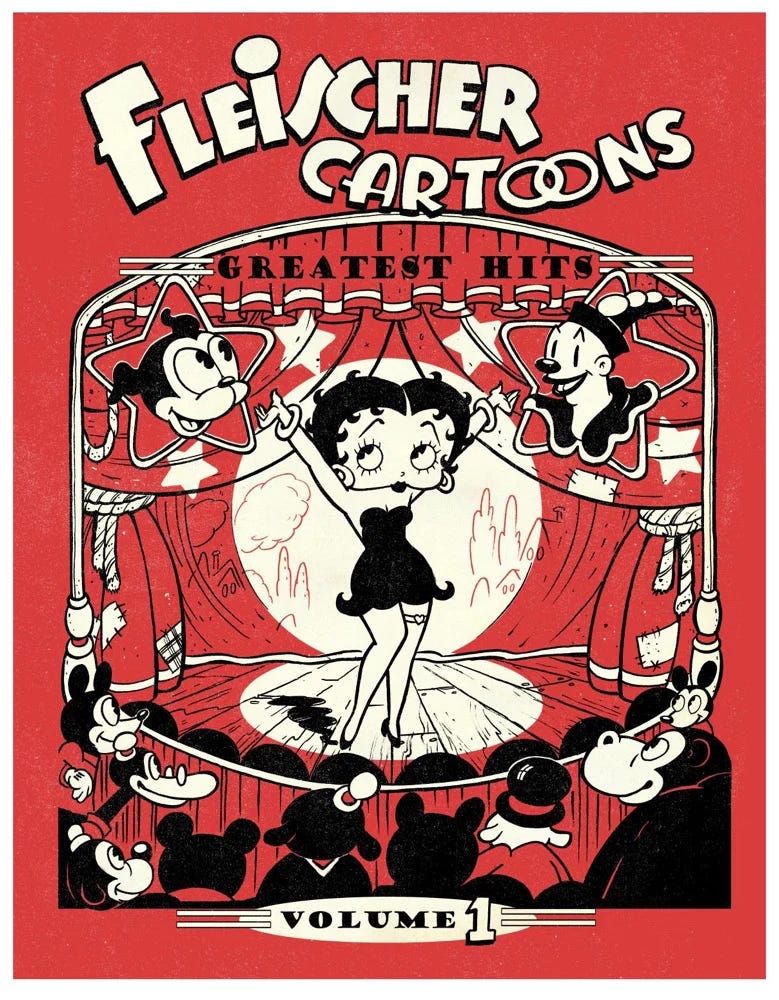
Fabulous Fleischer Cartoons Restored are on an ambitious mission to preserve and restore all of animation pioneer Max Fleischer’s extant shorts. Fleischer Studios were the first to animate Popeye and Superman, invented the rotoscoping process, and perhaps most important of all, created the iconic giggler Betty Boop. Led by Max’s grandaughter Jane Fleischer Reid, and aided by the boundless energy of producer Mauricio Alvarado, they have made astonishing progress. After screening Fleischer’s work across the country, they recently announced a “Greatest Hits” Blu-ray collection scheduled for release in May 2026. I was able to speak with Jane and Mauricio about the origin of the initiative, the difficulties in tracking down orphan films, and the surging popularity of KoKo the Clown.
R. Emmet Sweeney: How did this whole restoration initiative begin?
Jane Fleischer Reid: I was sitting at home during the pandemic, and Mauricio, who’s always been involved with vintage cartoons, contacted me. And long story short, he said, “I had been putting some of the old Fleischer cartoons on YouTube, but I was only finding lousy copies of things.” And I knew absolutely nothing about restoration. And Mauricio said, “Do you know where we can get copies of the cartoons and make them look better?” And my short answer was, “No, I have absolutely no idea”. So between the two of us, we started working together to figure out where you get these cartoons, and what you do with them once you got them.
Mauricio Alvarado: Growing up as a ‘90s kid, you have all these memories of vintage animation, Little Rascals, Three Stooges. And it clicked in my head that everything else is getting this love and attention and getting restored. What about our stuff? Where’s Betty Boop? Where’s Popeye? I noticed that there was more of a push for these big studios to work with the families and their estates. And then it dawned on me. I was like, “Hey, have the Fleischers done anything with these films?” And then connecting with Jane through my merchandise license, because that’s initially how I connected with them, is I have a license to sell Betty Boop merchandise. When I go to conventions and the adults get more excited about Betty Boop than the kids, there’s a disconnect here. How come kids don’t know who she is? YouTube is offering the crappiest quality cartoons. It’s all VHS rips. And you know how everything is now. It’s either 4K or go home.
Jane and I are super blessed with the team at Paramount. Paramount has been super gracious and opened up their vault, given us access to negatives, prints, anything that they have. And slowly but surely we’re getting them restored and we’re getting them screened. We’re getting hit up by the Museum of Modern Art, the George Lucas Museum of Narrative Art, the Academy Museum. So this has been a realization for me that these aren’t just silly cartoons. These are pieces of art, a lost medium, hand-drawn cell animation. With AI being so prevalent, people want that hand-drawn human touch. And because a lot of these have not been seen in this quality, people are getting their mind blown by just how amazing these films are.
RES: When you first approached Paramount, did it take some time or were they immediately receptive to the idea?
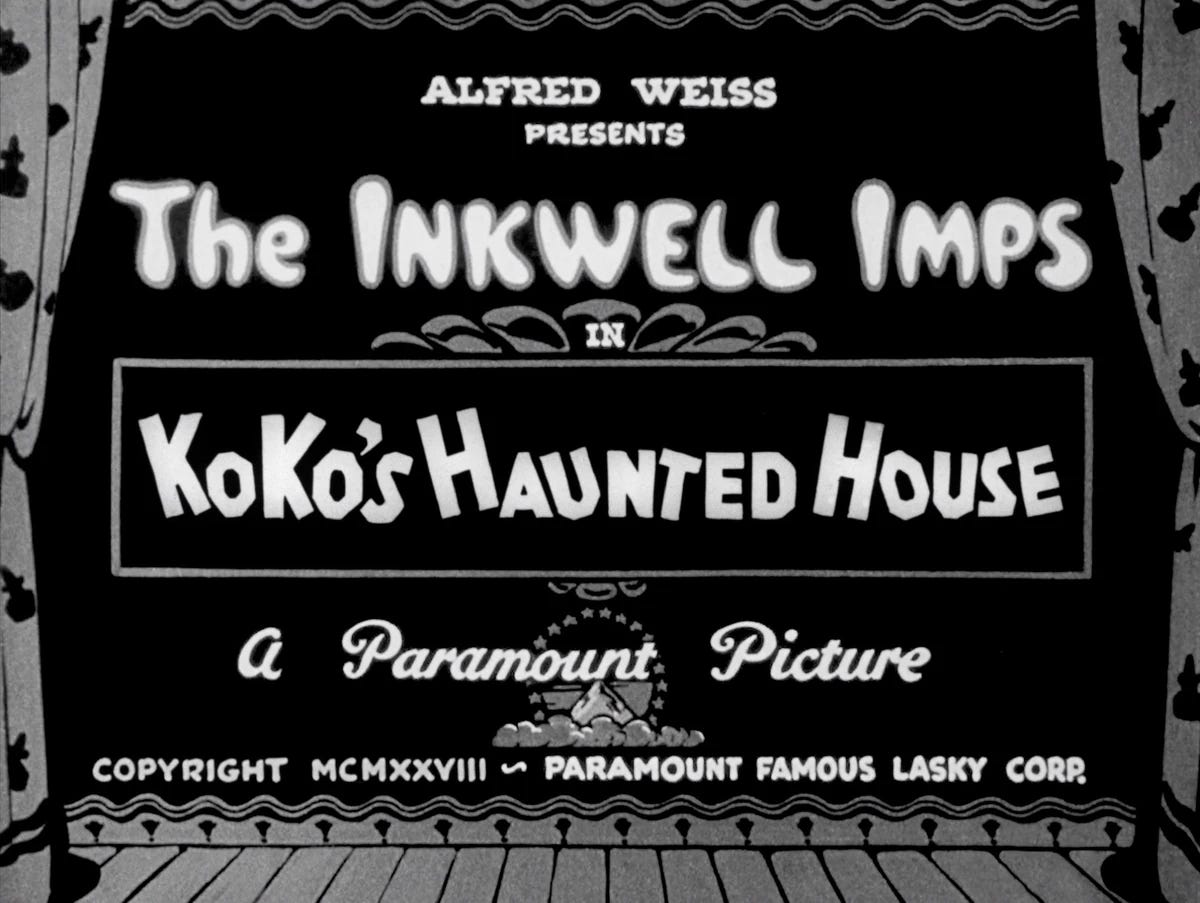
JFR: Well, my family and Paramount have had a very long relationship. Those major players are long gone, my grandfather and my dad. But my brother Mark Fleischer has a relationship with Paramount. So he introduced us, first to Larry McCallister who does all the clip licensing, and then he introduced us to the archives. And we took it from there. Andrea Kalas was head of the archives when we first began. And she was wonderful. She was like, “How can we help? Here’s what we’ve got, how can we work together?” She has since left and we’re now working with Charlotte Barker and Graham Marshall. And they have been amazing with helping us access the films that we’re interested in restoring. I was surprised. The first call we had, we talked to Andrea, and we were expecting a couple of films. She gave us 30 of The Inkwell Imps series. So that got us started.
RES: Was this material they had restored before?
JFR: No, they do work on restoring stuff but they do one or two a year. So it turned out to be just a fantastic thing.
MA: Yeah, the way I understand it is, the Paramount Studio has a set number of films that they can restore. They have a budget for preservation. Their team is more focused on the bigger titles like The Godfather, they don’t have a dedicated group of people focusing on the shorts. And with the shorts, there’s hundreds of them. Aside from the Fleischers, they got Terrytoons and Famous Studios and all this stuff. The way this relationship has been going is we’re helping them preserve their own library. Taking that weight off their shoulders. We’re doing restorations every week.
Jane mentioned The Inkwell Imps. We’ve been able to locate other missing episodes that weren’t originally in that first batch. So we’re getting to preserve a lot of silent animation. I was talking to a silent animation expert who was saying, on average, how many silent films get restored per year. A handful, maybe 10 to 15. So the fact that we’ve restored 30, 40-plus silent cartoons, it’s amazing, as you know that silent films are often just lost or destroyed. I pinch myself every day knowing we are doing something like this.
RES: I’m curious about the workflow. Are they doing scans and sending them to you to oversee restoration with your own people, or are they handling it in-house?
JFR: We give them a list of what we’re interested in getting next. And then they scan it for us. They send it to us. I hate to seem like a Pollyanna that everybody’s fabulous, but our restoration team is really fabulous. Thad Komorowski and Samantha Davis and then some independent people that we work with. Thad oversees the whole thing. And they restore the films. And then we give a copy back to Paramount and we have, if it’s public domain, we have full right to do what we want with the film. And if it’s copyrighted, then we let them know what we’re going to show and when, and they’ll charge a small fee if they want to. We also get the music restored if it needs it and if it has it.
RES: Have you commissioned original scores?
JFR: Yeah. Anything that we show, we set music to. And we have had some original scores created now by, for instance, Joel Pearson from The Queen’s Cartoonists has done a couple of scores for us, Ben Model, Charlie Judkins. And so we’re starting to build up soundtracks for the silent cartoons. And a lot of them have the U.M. & M. Television Corp or N.T.A. titles from the television days. So we’re going back and finding the original Paramount titles and putting those back on so that Paramount is honored for the work they did back then. We have 140 cartoons restored so far, and that’s in two and a half years. Our team goes like gangbusters.
RES: Are there any Fleischer films that are not with Paramount? Orphans that are harder to track down?
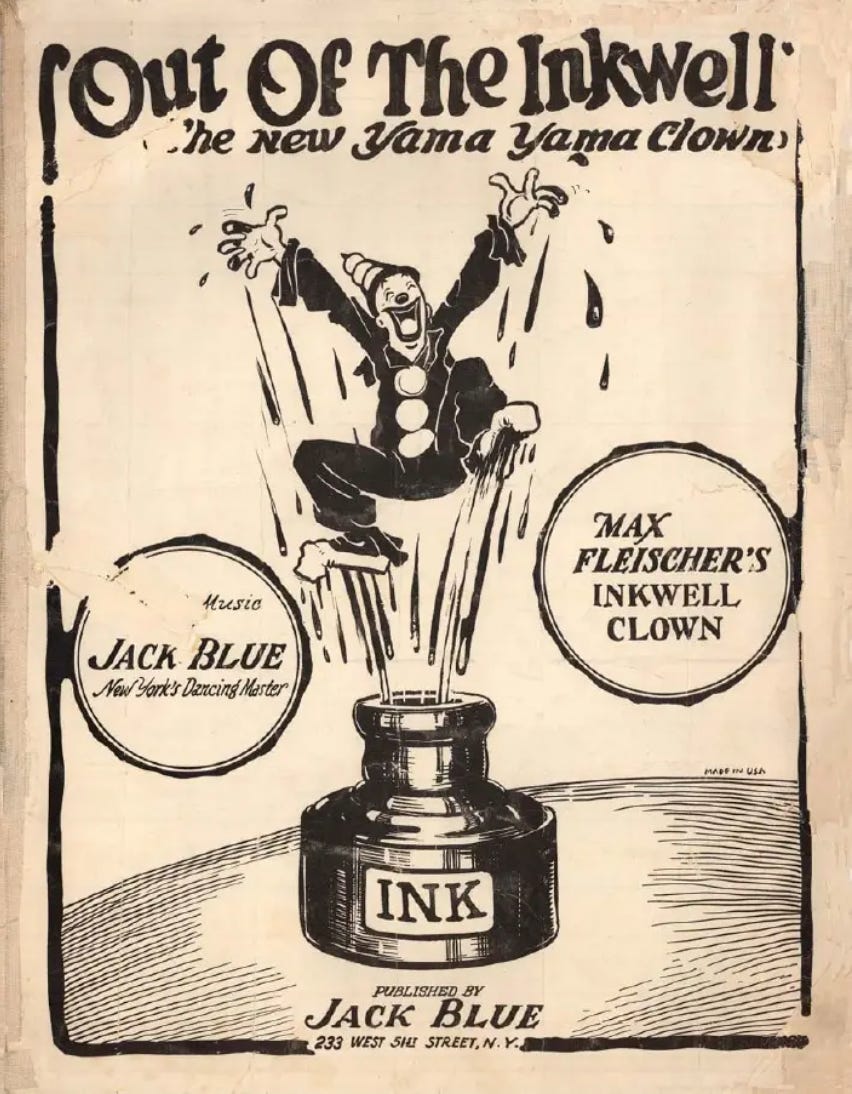
JFR: Yeah, Paramount doesn’t have everything and they certainly don’t have any of the very first series Out of the Inkwell. They don’t have the Popeyes, they don’t have the Supermen. When Mauricio and I first started, we were digging around to see who had this other stuff. Library of Congress has a lot but often what we find isn’t in terribly good condition so we try to get a few copies of things so that Thad can try to resurrect what we’ve got. Mauricio seems to have a magic touch with being able to reach out to archives and find some obscure something that I’ve been looking for for years.
MA: Yeah, there’s a series called Out of the Inkwell, with the very first KoKo the Clown episodes where they used a lot of rotoscope. And that was done before Fleischer signed with Paramount. Which means that a lot of those films, the negatives, film prints, all that sort of stuff were just scattered. They were sent off to theaters or archives or whatever. So they’re a lot harder to locate as opposed to the Paramount stuff, The Inkwell Imps, which is essentially the same KoKo series, just with Paramount. And they kept all the negatives. They kept all the film prints. So that’s easy to find. It’s the Out of the Inkwell material that, you just don’t know where you’re going to locate it.
We’re sending out messages to any archive who might have any idea where this stuff is. And we’re also finding out that in England, he wasn’t called KoKo, he was called Inky Doodle. There’s an archeological dig with this stuff and it is fun. But yeah, once we find the negative of an Out of the Inkwell, that’s exciting because the animation of that cell is so beautiful. And by far the KoKo stuff is my favorite that we’re restoring.
RES: How many Out of the Inkwells have you found?
JFR: There are about 80 Out of the Inkwells. And we have located, I’d say all but 20. That doesn’t mean we’ve restored them all, but we found at least some copy somewhere of them. Some of them, they’ve pretty much disappeared. Trying to find who’s got it hidden under their bed type of a thing. But we’ve located a whole lot of them. And for the Imps, there are 58. And I’d say we’ve got all but 10 of them at this point. So again, we’ve been very lucky at finding what we’re finding.
RES: That’s truly remarkable, you’re really rescuing these films. What drove the decision to release the Blu-ray? And what was the curation process like?
JFR: Everything we have right now is digital. So this is one way to preserve…it’s still a digital master but at least it’s something physical. We can’t afford to do film-out at this point, but that would be a dream. The other part that Mauricio can speak to because he handles our social media. We do a screening and often the first question out is, “Is there a Blu-ray of this?” So Mauricio, you want to take that one?
MA: From the very beginning my goal has been for these films to be put back out in the market by the family itself. There really hasn’t been a definitive Fleischer compilation coming from the Fleischer company. If I can make that happen, help the family put out their cartoons, I’ve made it, I could die happy. Because I want them to get credit. These cartoons go viral online, they get millions of views, but nobody gives credit. For example, the biggest clip is that dancing ghost and KoKo, but they don’t give credit to Cab Calloway, they don’t say it’s a Betty Boop cartoon. They don’t say it’s a Fleischer one. So we are getting these cartoons out and done right.
We have beautiful packaging by Shawn Dickinson, who illustrated the Cuphead graphic novel. The way we picked the shorts, because I know some people are purists and they want all the episodes in order. We’ll get there eventually. It’s not that we don’t want to do it. So the way we curated is we have to get all of the major popular ones out first, the Betty Boops and all this sort of stuff. Having a compilation of Superman, Popeye, and KoKo, I think that’s really gonna hit the mainstream market because you could give it to a parent or grandparent who likes Betty Boop, but maybe has never seen a KoKo cartoon, or a dad who likes Popeye, but has never seen a Betty Boop. I’m gonna be going to San Diego Comic-Con. We have a screening next Monday where we’re gonna show KoKo the Clown cartoons at the Lodge Room in Highland Park. And we’re gonna get a piano player to play along with them. That’s another thing we want to reintroduce to people, live music with animated film.
JFR: There were two compilations of Betty Boop films that came out in the ‘70s and then the 2010s. Republic put out a compilation on VHS of the Betty Boops and then Olive Films, through Paramount, put out a Blu-ray compilation. A lot of them, not all of them.
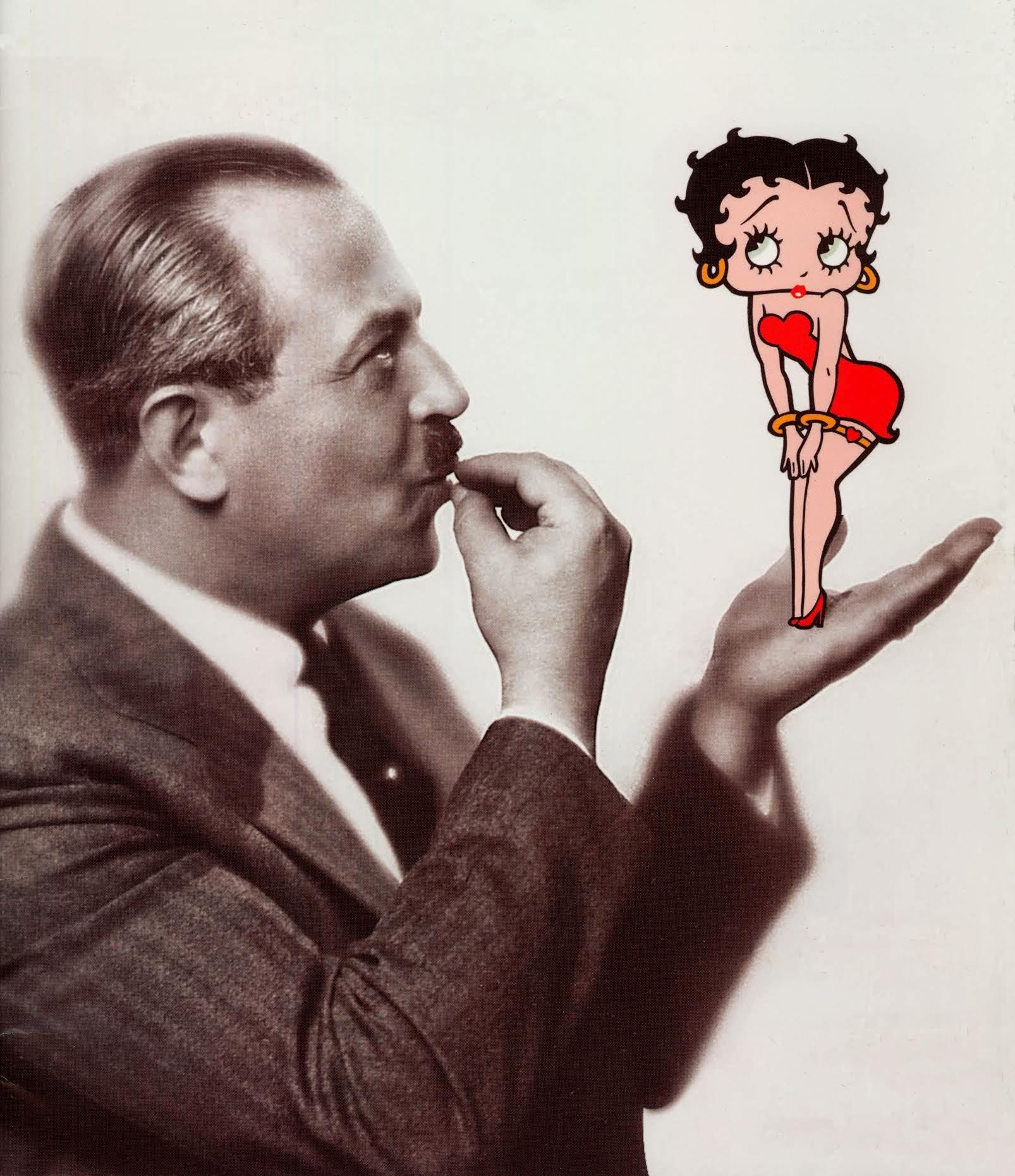
I remember when the Republic set came out…my dad [director Richard Fleischer] was very close to his father [Max Fleischer], to Pop Max. It had been so hard to find the cartoons to show them to us. He was so delighted to have this box set, and he would sit down and he would play it. Whenever we’d come over, he’d say, “Let me show you another one!” [laughs] He just loved having access and being able to watch what he really did grow up with.
RES: I was overjoyed to see The Narrow Margin come out on Blu-ray from Warner Archive, which is just an incredible film noir, one of my favorites. Do either of you have under-the-radar shorts that are personal favorites that you really want people to check out?
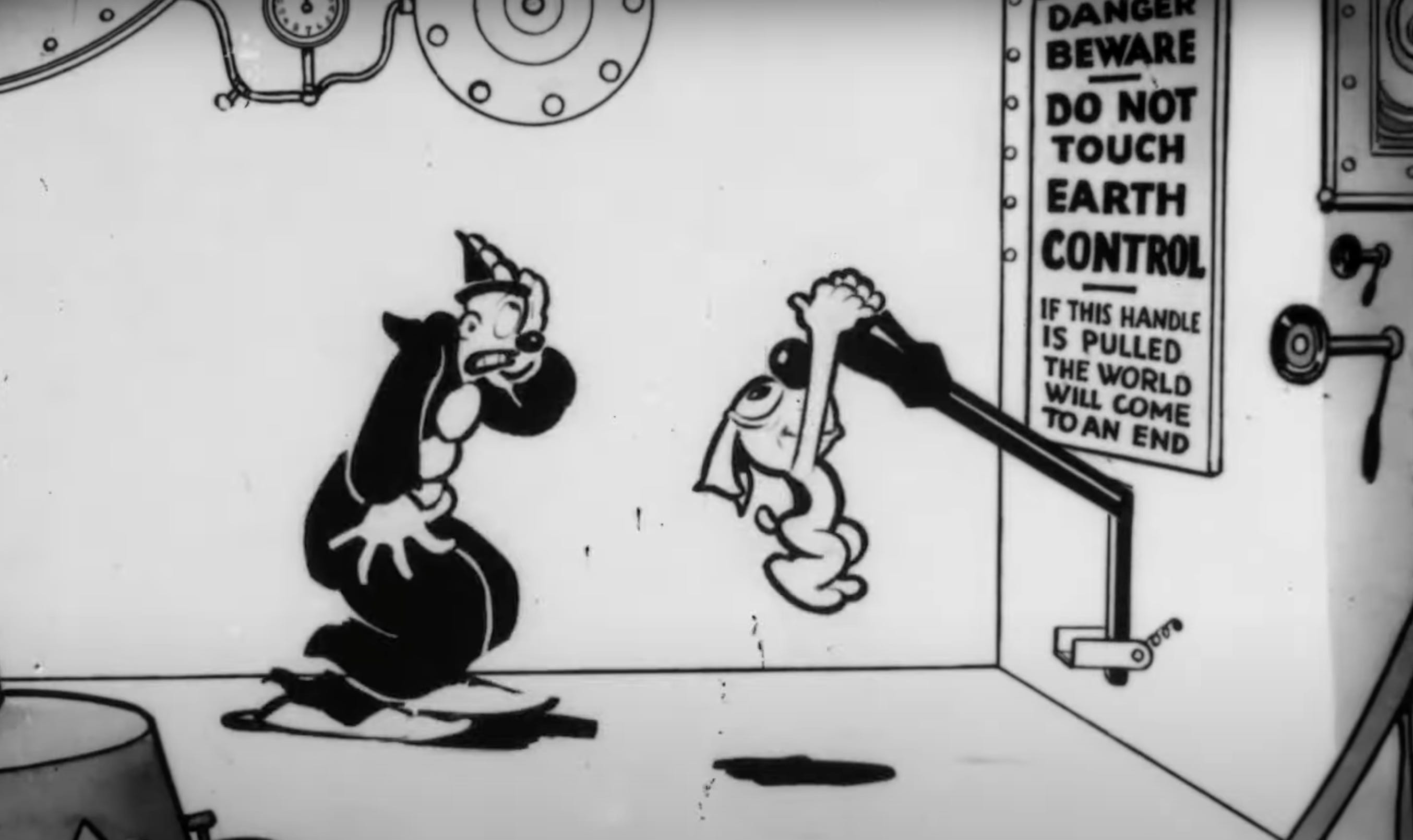
JFR: It’s not really under the radar, but KoKo’s Earth Control (1928) is one of the more remarkable films that was accepted into the National Film Registry. So that was a huge deal. But I think a lot of the KoKos, I wasn’t aware of them, and that’s my grandfather. It really wasn’t until Mauricio started saying, “Hey, look at this”. And then noticing, especially through social media, that the younger generation totally loved KoKo, that I started looking at them more seriously. And they are really remarkable, not just films, but as Mauricio said earlier, works of art. Mauricio, what’s your favorite KoKo?
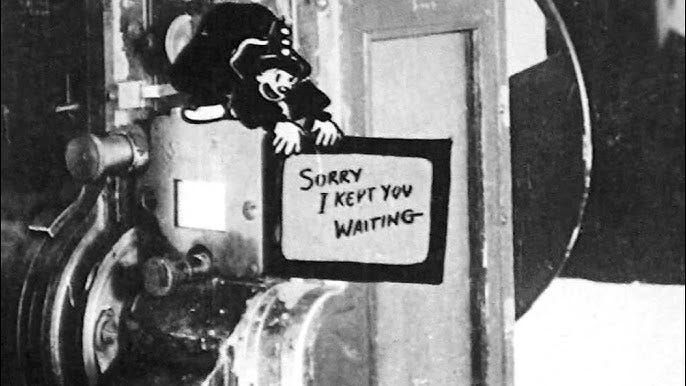
MA: I would say Jumping Beans (1923) is one I keep pushing a lot. The reason I really love that one is because it really showcases, not just the rotoscope, but the rotograph, which is Max’s invention where he can interact with the animated character. So there’s several scenes where KoKo creates a bunch of copies of himself, sort of like in Gulliver’s Travels, they just go and attack Max. So you get a live action Max Fleischer and then all these little KoKos throwing ropes at him, tying him down. The interactivity of the animated character with Max is so fascinating to see. A mix of stop motion and live action 2D, sort of like a mix of George Melies with Charlie Chaplin, it’s really a thrill to get these back in front of audiences.
RES: KoKo was one of the more popular licensed characters on your merch site RockinPins.com. Why do you think that is?
MA: Well, I guess clowns are getting a resurgence. You got Pennywise, Terrifier…
RES: Clown in a Corn Field!
MA: Yeah. The kids really got into KoKo because of that dancing sequence. Because as we’re restoring more and putting more stuff out there on social media, they’re getting to see different personalities of KoKo. There’s one where he’s a tattoo artist, and people right now are tattooing KoKo all over themselves. That hits with that crowd. And the Terrifier crowd, the horror crowd, Koko is pulling the head off a girl and flipping it backwards. It feels like we have a KoKo for every situation now. But yeah, KoKo is super popular.
RES: I know you put clips on your YouTube channel, but are you also aiming to get these in the package at a streamer. Is that also in the cards?
JFR: Ultimately, we want to get them out as widely as we can. Right now, because they’re new restorations, we’re keeping them close to the chest. So we saved the fully restored ones for live screenings at the moment and will slowly bring them out on Blu-ray. And we don’t put them up on YouTube or anything where they can be ripped. Isn’t that right, Mauricio?
MA: Yeah, I think the only two that we have up there are a couple of color classics. But we’re grassroots. We want to be able to restore more. And if we can get people to come out and support us, whether it’s a live show or buying the Blu-ray, that really helps us out. And sadly, some people just don’t understand that. They just think, “Hey, I could rip it and get it for free”. But we’re trying to save this stuff and any support that we can get is appreciated.
And I know a lot of people who aren’t from the United States, they don’t have a chance to see these films in a theater, but we’re trying. We ask people to reach out to us, let us know your local venue, local Cinematheque, we’ll reach out, we’ll make it happen. We wanna help people get to these. We don’t wanna gatekeep, we don’t wanna tell people you can’t check this out. We want as much access to these cartoons as possible.
RES: For somebody who wants to reach you to book a screening or ask a question, where should they contact you?
JFR: If you want a screening you can go to bookings@FleischerToons.com. If you have Social media stuff go to Mauricio@FleischerToons.com. If you have plain old questions come to Jane@FleischerToons.com. Our website is oddly enough, fleischertoons.com [laughs]. And the Blu-ray, gosh, we’re not out yet. But you go to rockandpins.com. It’s also going to be at ClassicFlix.com and eventually on Amazon.
RES: These cartoons have been highly influential on generations of animators and cartoonists. Have you been surprised by anyone who has reached out to you and been excited about this project?
MA: Michael McKean retweeted us. Bob Odenkirk likes our stuff . There’s a comedian named Emo Phillips who’s a massive fan of this stuff as well. He’s been showing up to all our shows. We connected with Tom Kenny and Danny Elfman. When we did one of our very first screenings in L.A. Matt Groening showed up. We were floored, that was a huge honor. And he came with Paul Dini and Billy West. I mean, it was like, oh, my God, we have to be on good behavior now.
very cool! thanks